
1 Hour to Python Basics
Go from zero to writing your first real Python script in 60 minutes.

By the end of this hour, you'll have written a working Python CLI tool that reads a file, counts words, and outputs statistics. No prior programming experience required.
🎯 What You'll Build
A command-line word counter:
$ python wordcount.py README.md
Total words: 1,247
Unique words: 423
Most common: "the" (82 times)
⏱️ Time Breakdown
📋 Prerequisites
- A computer (Mac/Linux/Windows)
- A text editor (VS Code recommended)
- 60 minutes of focused time
Step 1: Install Python (0–10 min)

Python 3 is usually pre-installed on Mac/Linux. Check:
python3 --version
If you see Python 3.10+, you're good. Otherwise:
# Mac
brew install python3

# Ubuntu/Debian
sudo apt install python3
Windows: Download from python.org/downloads. Check "Add to PATH" during install.
Checkpoint
Run python3 --version. You should see a version number.
Step 2: Your First Code (10–25 min)
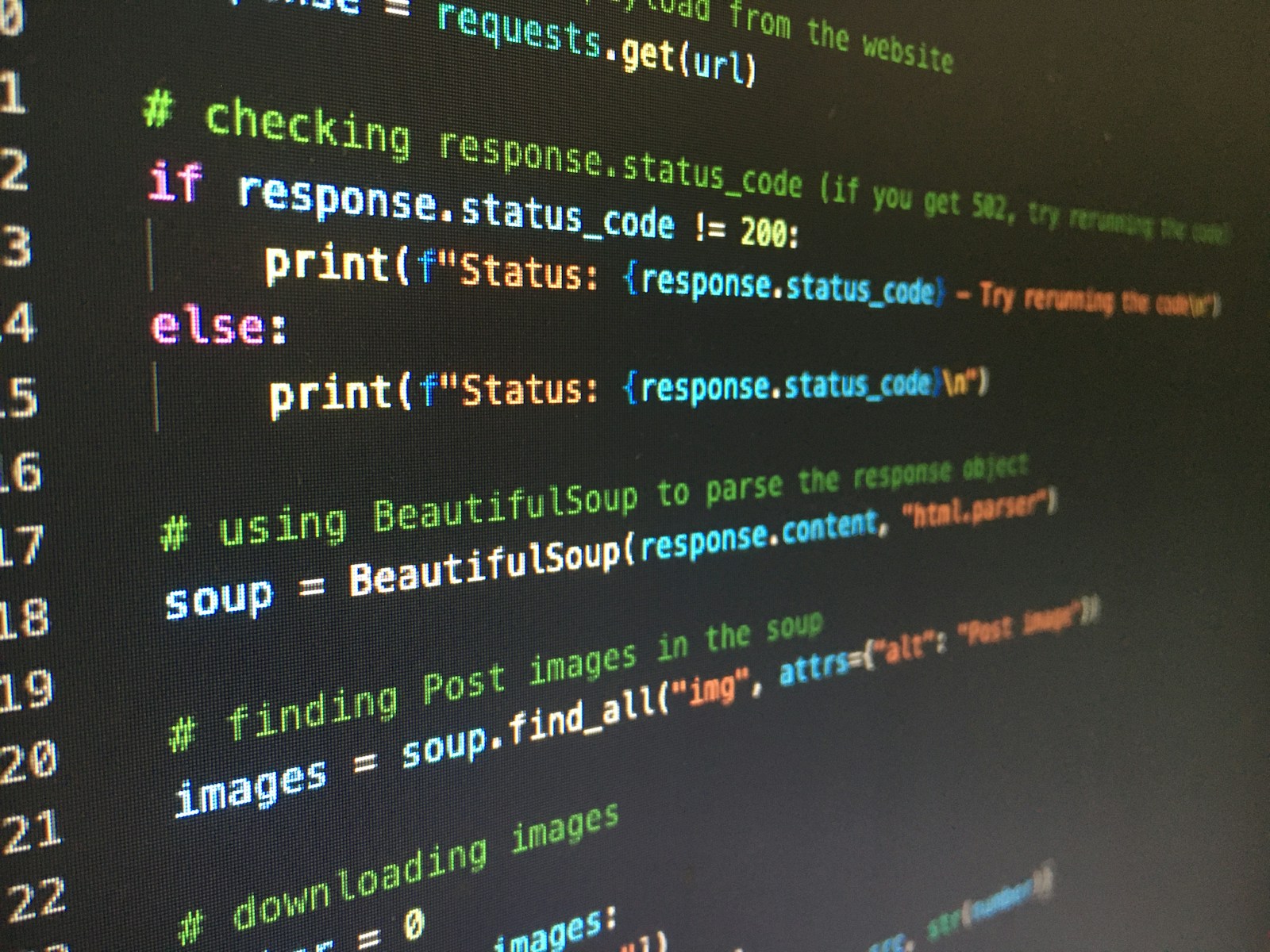
Create hello.py:
name = "World"
print(f"Hello, {name}!")
Run it:
python3 hello.py
# Hello, World!
Try these:
# Numbers
age = 25
print(f"I am {age} years old")

# Math
x = 10
y = 3
print(f"Sum: {x + y}, Division: {x / y}")
Checkpoint
You should understand variables (name = "value"), f-strings, and basic operators.
Step 3: Functions and Loops (25–40 min)

def greet(name):
    return f"Hello, {name}!"

# Loops
fruits = ["apple", "banana", "cherry"]
for fruit in fruits:
    print(fruit)

# Conditionals
age = 20
if age >= 18:
    print("Adult")
else:
    print("Minor")
Checkpoint
Write a function square(n) that returns n * n, then print squares of 1–5.
Step 4: Build the Word Counter (40–55 min)

Create wordcount.py:
import sys
from collections import Counter

def count_words(filename):
    with open(filename, 'r') as f:
        text = f.read()

    words = text.lower().split()
    words = [w.strip('.,!?";:()[]') for w in words]
    words = [w for w in words if w]

    total = len(words)
    unique = len(set(words))
    counter = Counter(words)
    most_common, count = counter.most_common(1)[0]

    print(f"Total words: {total:,}")
    print(f"Unique words: {unique:,}")
    print(f'Most common: "{most_common}" ({count} times)')

if __name__ == "__main__":
    if len(sys.argv) < 2:
        print("Usage: python wordcount.py <filename>")
        sys.exit(1)
    count_words(sys.argv[1])
Step 5: Ship It (55–60 min)

echo "The quick brown fox jumps over the lazy dog. The fox is quick." > test.txt
python3 wordcount.py test.txt
Expected output:
Total words: 12
Unique words: 9
Most common: "the" (3 times)
🎉 You just built a working Python tool!
🎁 Bonus
- Add
--top Nflag to show top N most common words - Handle multiple files
- Output as JSON
📚 Next Steps
🔗 Resources
- Real Python — Quality tutorials
- Python Cheatsheet — Quick reference
- Automate the Boring Stuff — Free book
Photos on Unsplash, used under the Unsplash License.