
1 Hour to Write a PRD with Claude
Turn a one-sentence idea into a 10-page structured PRD with user stories, acceptance criteria, and edge cases

By the end of this hour, you'll have a complete PRD that developers actually want to build from—structured, detailed, and covering all the edge cases you forgot to think about.
🎯 What You'll Build
A comprehensive Product Requirements Document for a food delivery app feature, complete with:
FEATURE: Smart Order Recommendations

USER STORY: As a hungry customer, I want personalized meal suggestions
based on my order history and dietary preferences, so I can quickly
find something I'll love without endless scrolling.

ACCEPTANCE CRITERIA:
✓ System displays 3-5 personalized recommendations on home screen
✓ Recommendations update based on time of day (breakfast/lunch/dinner)
✓ User can mark preferences as "Not interested" to improve future suggestions
✓ Recommendations load within 2 seconds on 4G connection

EDGE CASES:
- New user with no order history → Show popular items in their area
- User with dietary restrictions → Filter out incompatible options
- Restaurant closed → Replace with similar alternative
⏱️ Time Breakdown
📋 Prerequisites
- Claude account (free tier works fine)
- A rough product idea (even one sentence is enough)
- Basic understanding of your target users
- Access to Google Docs or Notion for final formatting
Step 1: Extract Core Requirements (0–10 min)
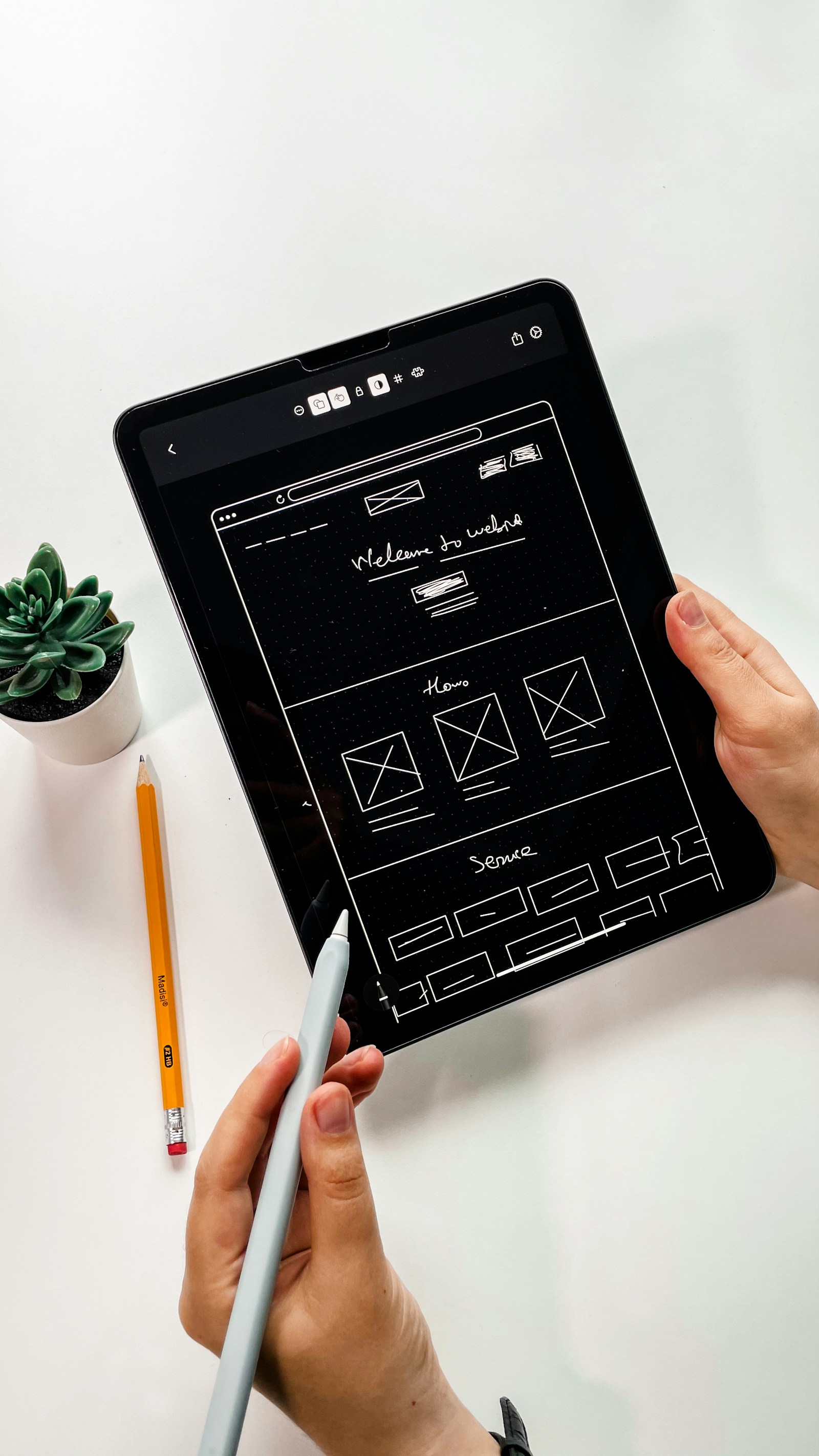
Start with your messy idea and let Claude structure it. Most product ideas come as scattered thoughts—Claude excels at finding the hidden requirements.
Open Claude and paste this prompt template:
I have a product idea: [YOUR IDEA HERE]

Help me extract the core requirements by answering:
1. What is the main user problem this solves?
2. Who are the primary users?
3. What are the 3 most critical features?
4. What business goal does this achieve?
5. What are the key constraints (technical, budget, timeline)?

Format as clear bullet points, not paragraphs.
Example with a real idea:
I have a product idea: Add a feature to our food delivery app where
users get smart recommendations based on what they ordered before

Help me extract the core requirements by answering:
1. What is the main user problem this solves?
2. Who are the primary users?
3. What are the 3 most critical features?
4. What business goal does this achieve?
5. What are the key constraints (technical, budget, timeline)?

Format as clear bullet points, not paragraphs.
Claude will return structured requirements. Copy these into a new document—this becomes your PRD foundation.
Checkpoint
Look at Claude's output. Does it identify a clear user problem that makes you think "yes, that's exactly the pain point"?
Step 2: Generate User Stories and Personas (10–25 min)

Transform requirements into specific user stories. This step prevents the "build it and they won't come" problem.
Use this prompt with your core requirements:
Based on these requirements: [PASTE YOUR STEP 1 OUTPUT]

Create:
1. 3 detailed user personas (name, background, key frustration)
2. 5-7 user stories in format: "As a [persona], I want [action] so that [benefit]"
3. Prioritize stories as Must-have, Should-have, Could-have

Make personas feel like real people, not generic demographics.
Claude will generate personas like:
- Sarah, 28, Marketing Manager: Orders lunch daily between meetings, frustrated by decision paralysis when hungry and time-pressed
- Mike, 34, Dad of two: Family dinner orders on weekends, needs options that satisfy picky eaters
Transform these into actionable user stories:
- As Sarah, I want recommendations to appear immediately when I open the app, so I can order lunch in under 2 minutes
- As Mike, I want family-friendly suggestions that show kid-approved options, so I don't have to negotiate with my children
Checkpoint
Do your user stories include specific timeframes or measurable outcomes (like "under 2 minutes" or "without scrolling")?
Step 3: Build Acceptance Criteria and Technical Specs (25–40 min)
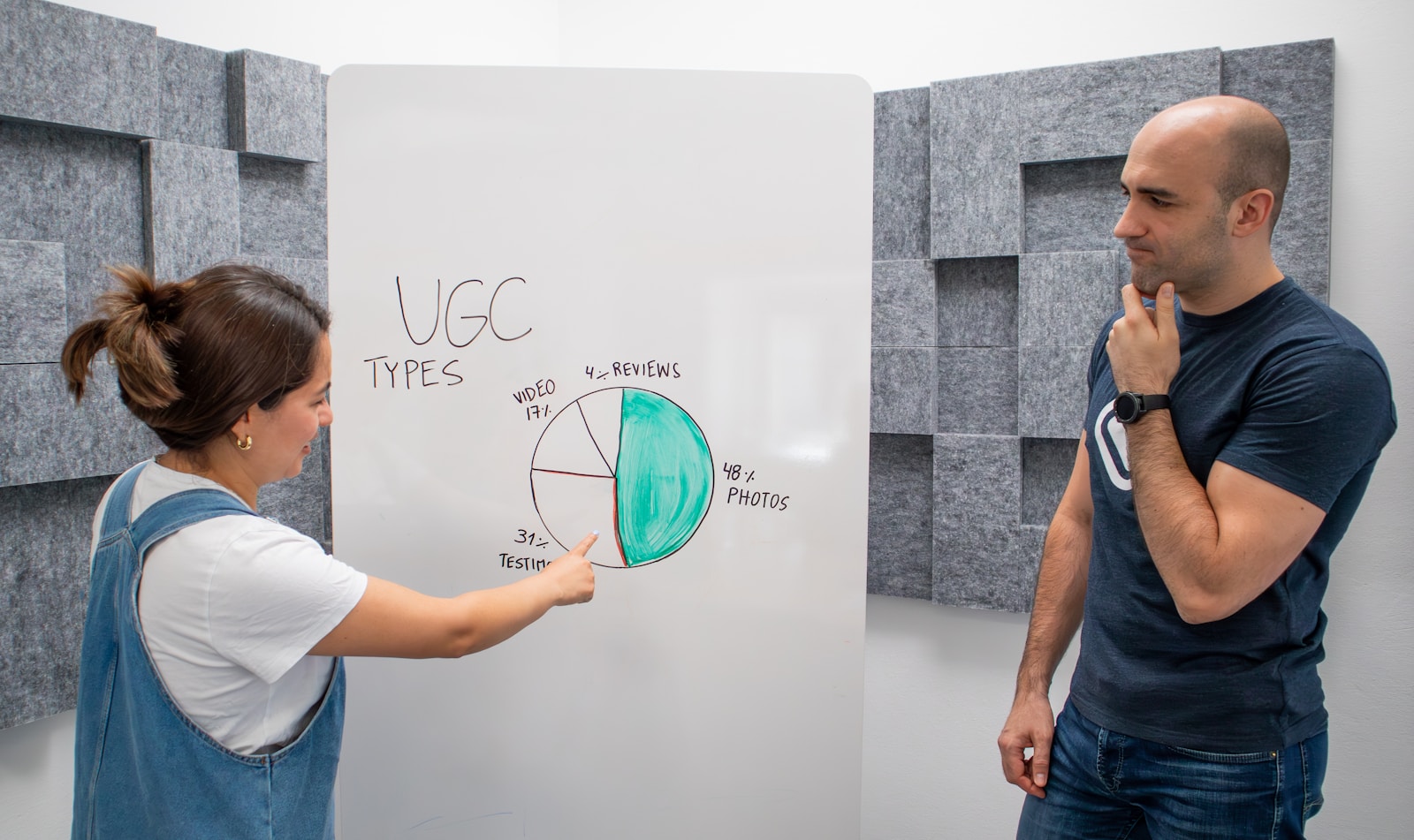
Convert user stories into developer-ready specifications. This eliminates the "that's not what I meant" conversations during sprint reviews.
For each user story, use this prompt:
Take this user story: [PASTE ONE USER STORY]

Generate:
1. Acceptance criteria (Given/When/Then format)
2. Technical requirements (APIs, data sources, performance)
3. UI/UX requirements (specific screen elements, interactions)
4. Success metrics (how to measure if it works)

Be specific about numbers, timeframes, and behavior.
Example output for the recommendation story:
Acceptance Criteria:
- Given: User has 5+ previous orders
- When: User opens app home screen
- Then: System displays 3 personalized recommendations within 2 seconds
Technical Requirements:
- Recommendation API processes user history from past 30 days
- Machine learning model considers time of day, weather, day of week
- Fallback to popular items if ML service is down
UI/UX Requirements:
- Recommendations appear as cards below search bar
- Each card shows restaurant name, estimated delivery time, price
- "Not interested" button on each card to improve future suggestions
Repeat this for your top 5 user stories.
Step 4: Identify Edge Cases and Error Scenarios (40–55 min)
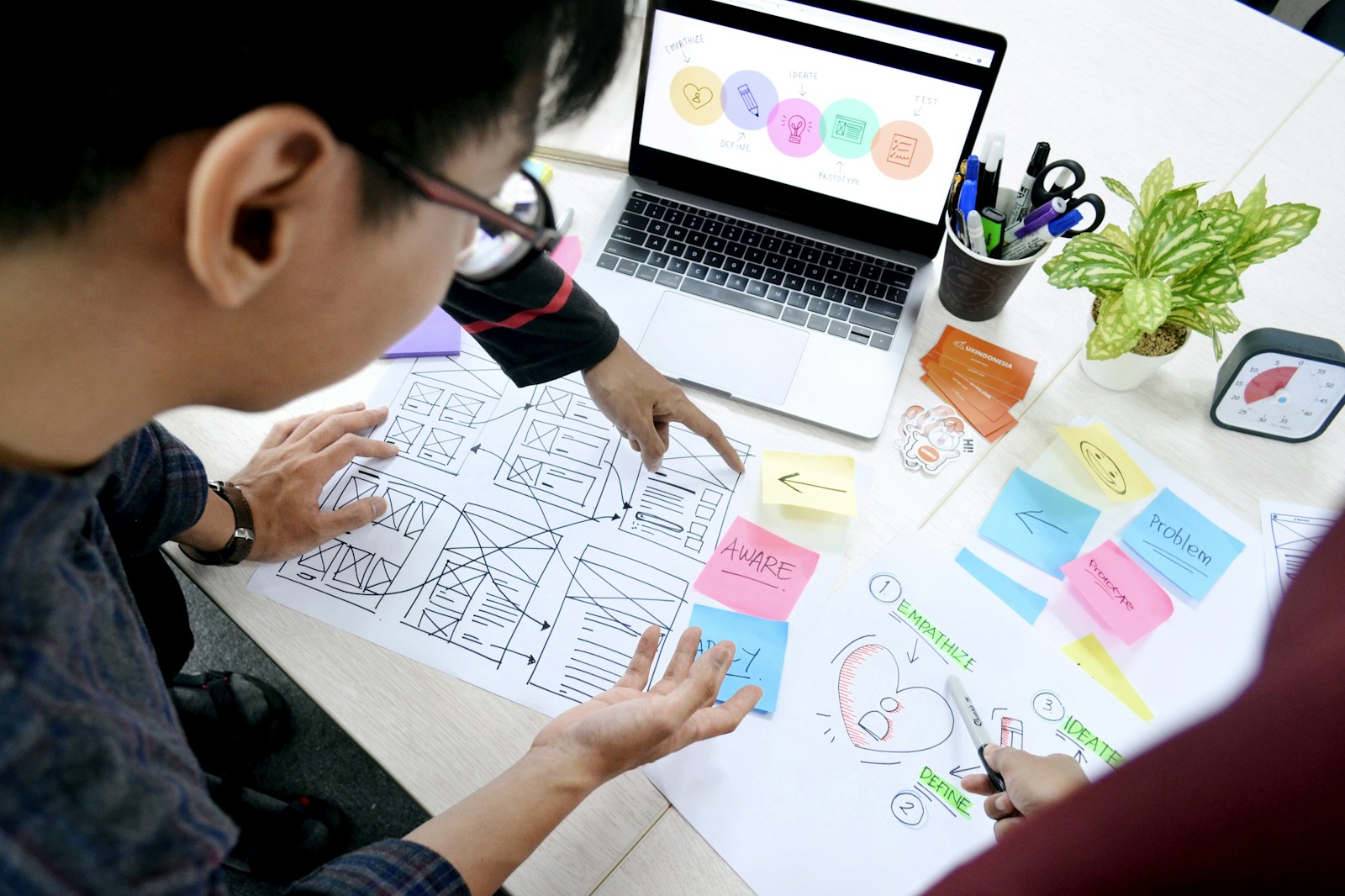
This step separates amateur PRDs from professional ones. Edge cases are where products break and users get frustrated.
Use this comprehensive prompt:
For this feature: [DESCRIBE YOUR FEATURE]

Identify edge cases for:
1. New users (no data/history)
2. System failures (API down, slow network)
3. Unusual user behavior (dietary restrictions, location changes)
4. Business constraints (restaurant closures, inventory issues)
5. Scale problems (high traffic, data limits)

For each edge case, specify:
- What triggers it
- Expected system behavior
- User experience impact
- Fallback solution
Claude will uncover scenarios you never considered:
Edge Case: User in new city
- Trigger: GPS detects location 50+ miles from order history
- Behavior: Switch from personal history to location-based popular items
- Fallback: Show top-rated restaurants within 3-mile radius
Edge Case: All recommended restaurants closed
- Trigger: Recommendations generated outside business hours
- Behavior: Replace with similar restaurants currently open
- Fallback: Show "Order ahead for tomorrow" options
Document 8-10 edge cases. These become your QA test scenarios.
Checkpoint
Do your edge cases cover what happens when external services fail (payment, GPS, restaurant APIs)?
Step 5: Ship It (55–60 min)

Compile everything into a professional PRD format. Use this final prompt to organize:
Create a final PRD document with these sections:
1. Executive Summary (2-3 sentences)
2. Problem Statement
3. Success Metrics
4. User Personas
5. Feature Requirements (user stories + acceptance criteria)
6. Technical Specifications
7. Edge Cases and Error Handling
8. Timeline and Milestones

Use this content: [PASTE ALL PREVIOUS OUTPUTS]

Format with clear headers and bullet points for easy developer scanning.
Copy Claude's output into Google Docs or Notion. Add a version number and review date.
🎉 You now have a PRD that developers can build from without coming back every day asking "but what if..."
🎁 Bonus
- PRD Templates: Ask Claude to create reusable templates for different feature types (user flows, integrations, UI changes)
- Stakeholder Versions: Generate executive summaries, technical deep-dives, and user research briefs from the same PRD
- Acceptance Test Generator: Have Claude write specific test cases and QA scripts from your edge cases
📚 Next Steps
🔗 Resources
- Atlassian PRD Template - Industry standard format
- Product Hunt PRD Examples - Real PRDs from successful products
- Claude Prompt Library - Advanced prompting techniques
- Linear Requirements Guide - Modern PRD best practices
Photos on Unsplash, used under the Unsplash License.